
Choose a process for the part — not a part for the machine.
YUNCUT organizes cutting and follow-on operations around the delivered geometry, material and acceptance requirement. Process pages explain fit, required quote inputs and relevant manufacturing examples.
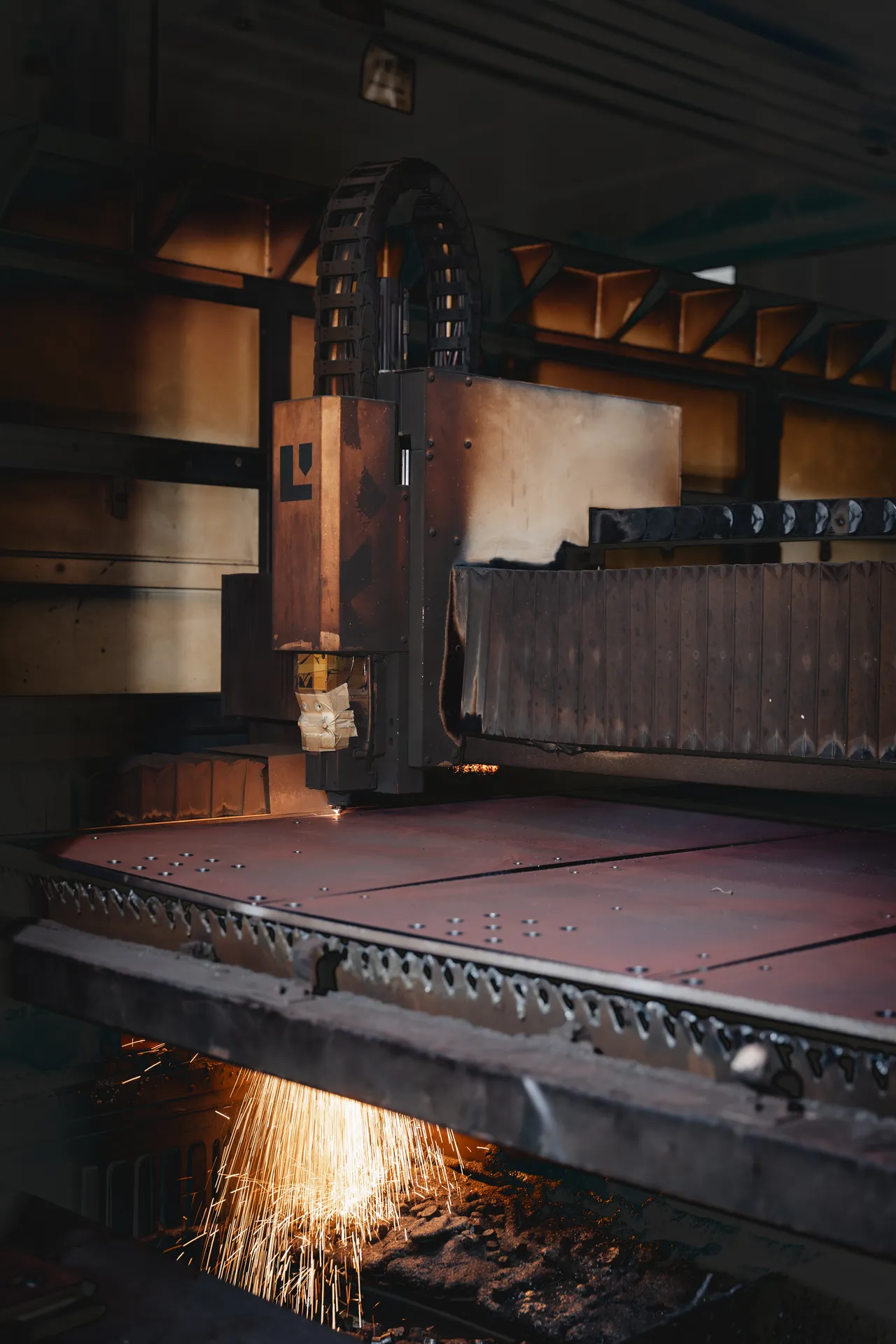
Compare the process options before selecting the cutting route.
Laser and flame are compared by thickness, geometry, tolerance, edge condition, material and next operations — not by a universal “better” label.
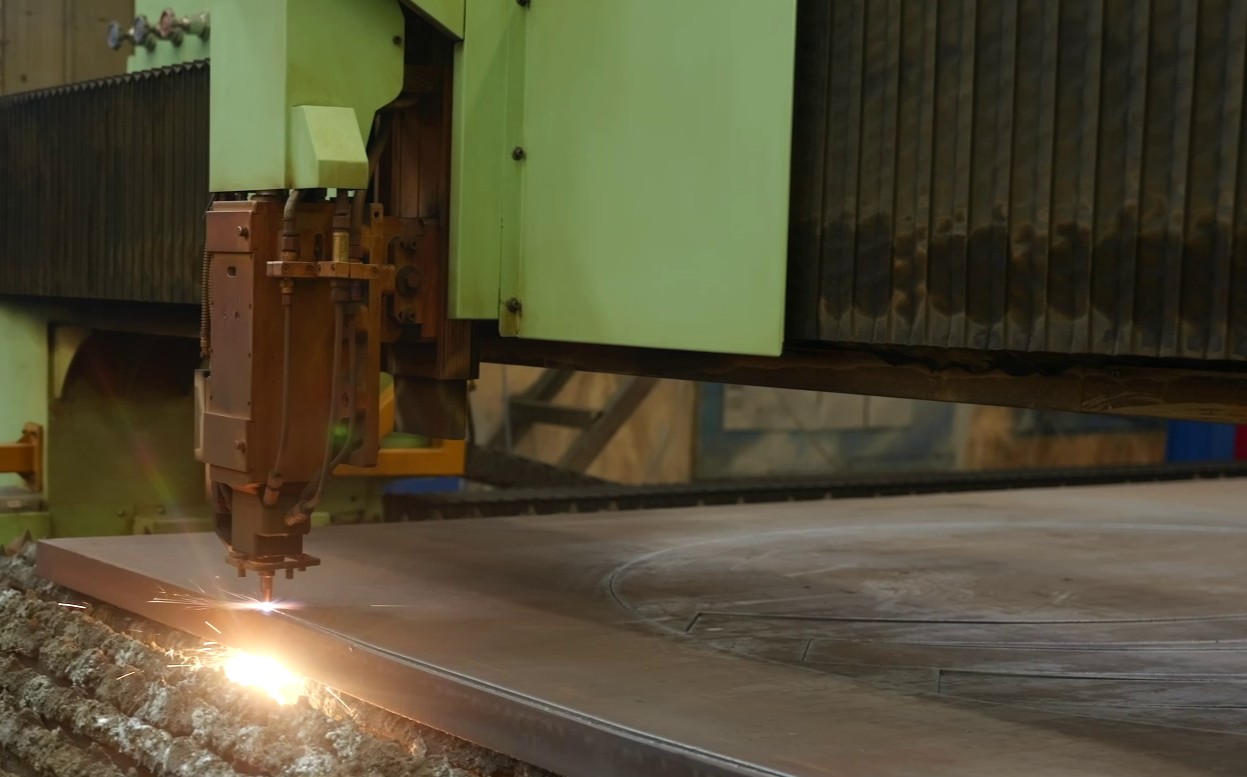 Method selection
Cutting Solutions
Start here when the cutting method is not yet fixed. Compare laser and flame cutting against the part requirement.
Explore →LaserLaser Cutting
For projects where laser cutting fits the material, thickness, geometry and tolerance requirement.
Explore →Flame / oxy-fuelFlame Cutting
For medium-to-heavy plate and geometries where flame cutting is the appropriate route, with downstream cleanup or machining reviewed as needed.
Explore →Describe the delivered state explicitly.
Post-cut work is separated by procurement task so the RFQ can distinguish what is required, who is responsible and how it is inspected.
Beveling
Angle, root face, side, geometry and inspection requirements for weld preparation.
Explore →Holes / threadsDrilling & Tapping
Hole and thread requirements that should not be inferred from thermal-cut geometry.
Explore →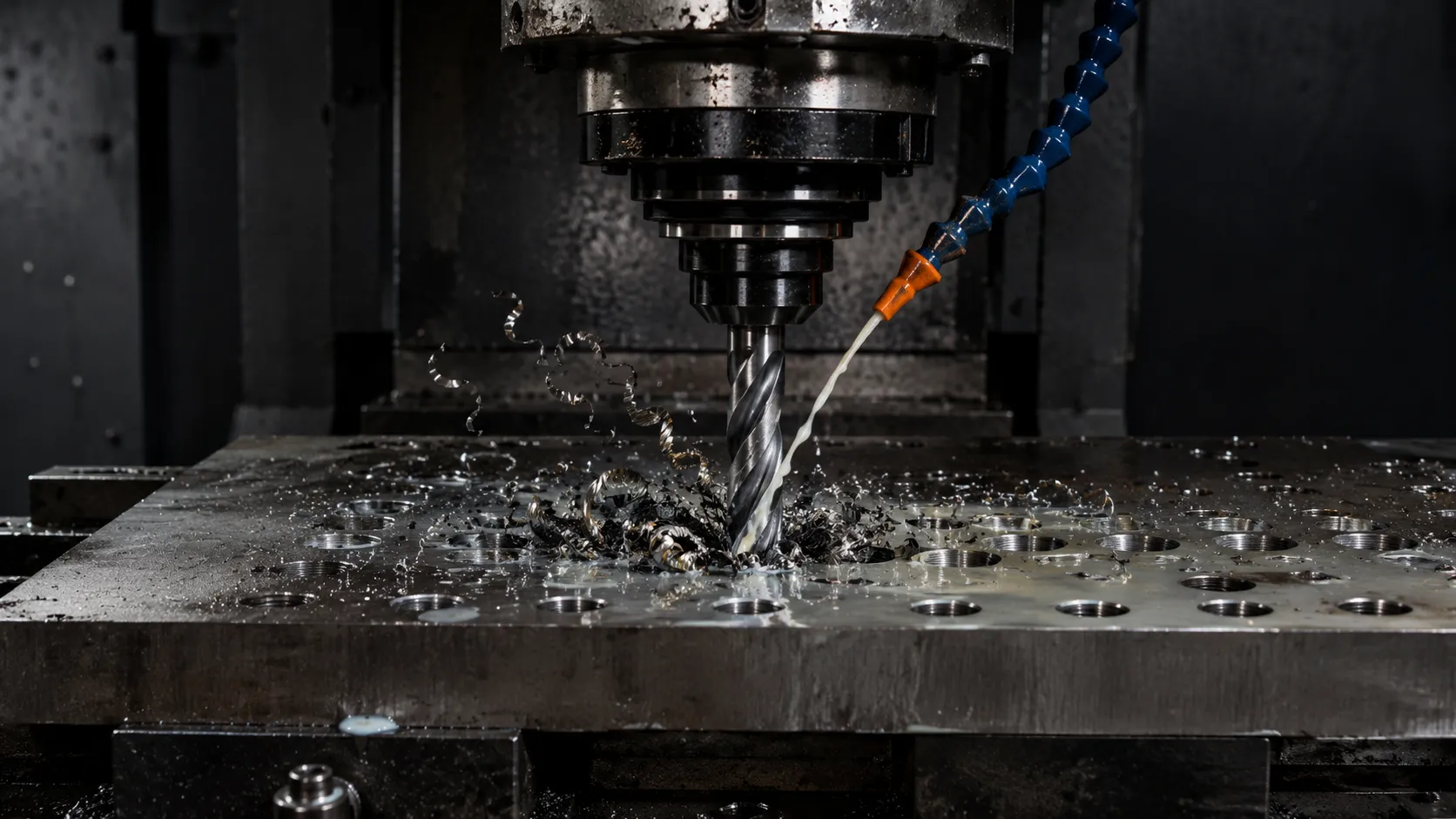 Broader machining
Drilling & Machining
Milling and boring scope is reviewed against the real part size, feature requirements and available production route.
Explore →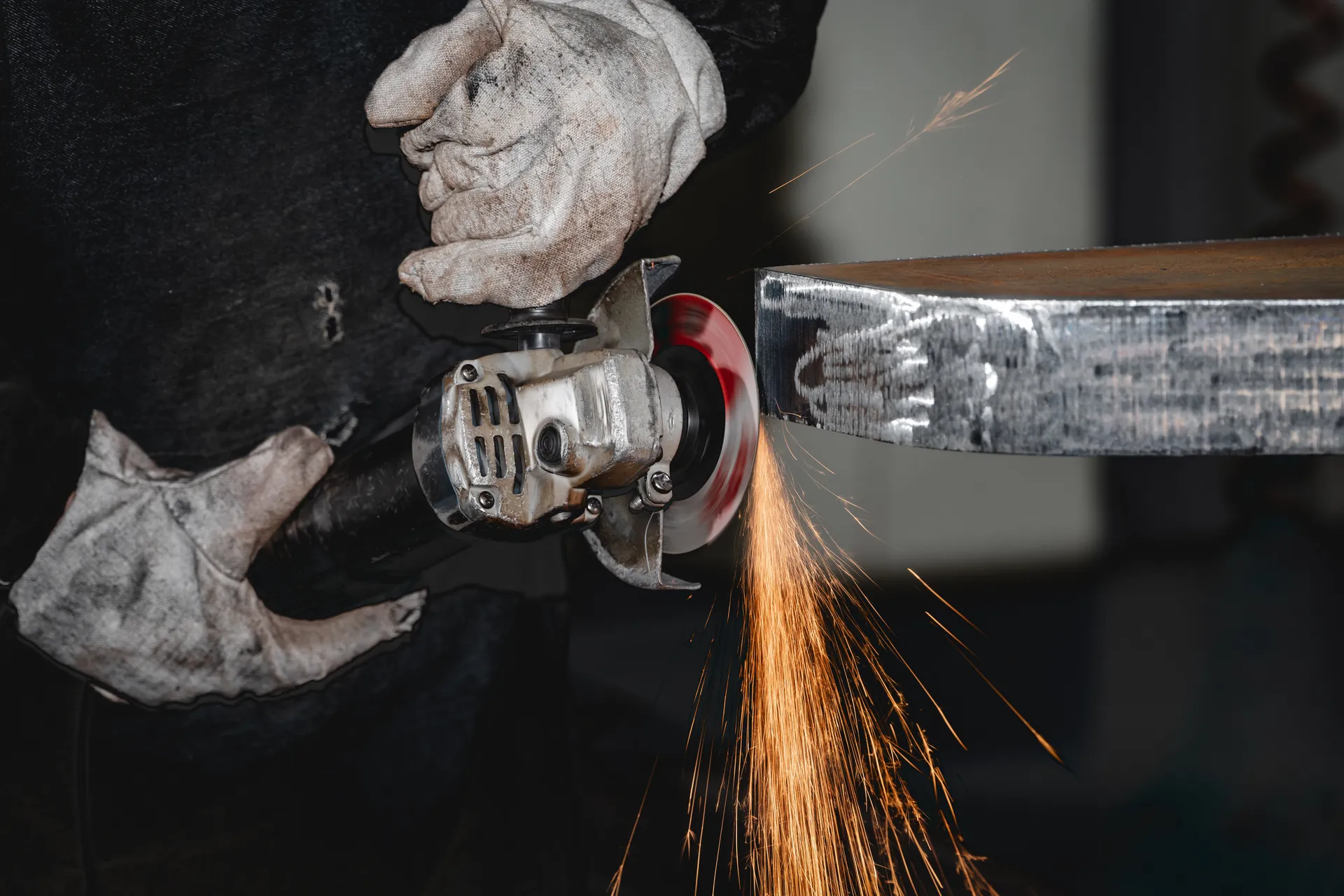 Delivered surface
Surface Finishing
Deburring, grinding, blasting and coating-readiness conditions, stated according to the actual order scope.
Explore →Combined orderSecondary Processing
Use when several confirmed follow-on operations need to be coordinated after cutting.
Explore →What the buyer should confirm.
Material + thickness
Process selection starts with the actual plate requirement and material state.
Geometry + features
Outer profile, holes, slots, sharp corners, long strips, bevels and machining interfaces change the route.
Acceptance
State which dimensions, surfaces or features must be measured or documented.
Secondary operations
Clarify whether drilling, tapping, beveling, machining, leveling or surface work is part of the delivered state.
Evidence
Use reviewed process evidence where it answers a specific question; do not infer capability from a title.
RFQ
Carry the process decision into one contextual inquiry with quantity, destination and timing.
Not sure which process is right? Send the finished requirement.
YUNCUT can review the part requirement first and select the cutting and post-processing path during manual quotation review.