

Custom steel plate parts.
Not just cutting.
Material review, laser or flame cutting, secondary processing, inspection and export packing — organized around the finished part your project actually needs.
Four decisions before you request a quote.
We review the finished part through four practical questions: material, process, geometry and supporting records.
Grade, standard, thickness, plate condition and documentation.
02ProcessCutting and follow-on operations chosen around the finished requirement.
03PartGeometry, holes, datums, batch logic and the delivered state.
04VerificationManufacturing examples, project records and inspection context where available.
Material, part, quantity and delivery requirements are ready for quotation review.
What are you actually buying?
Part geometry creates the commercial requirement. Process choice follows from the part, material and acceptance conditions.
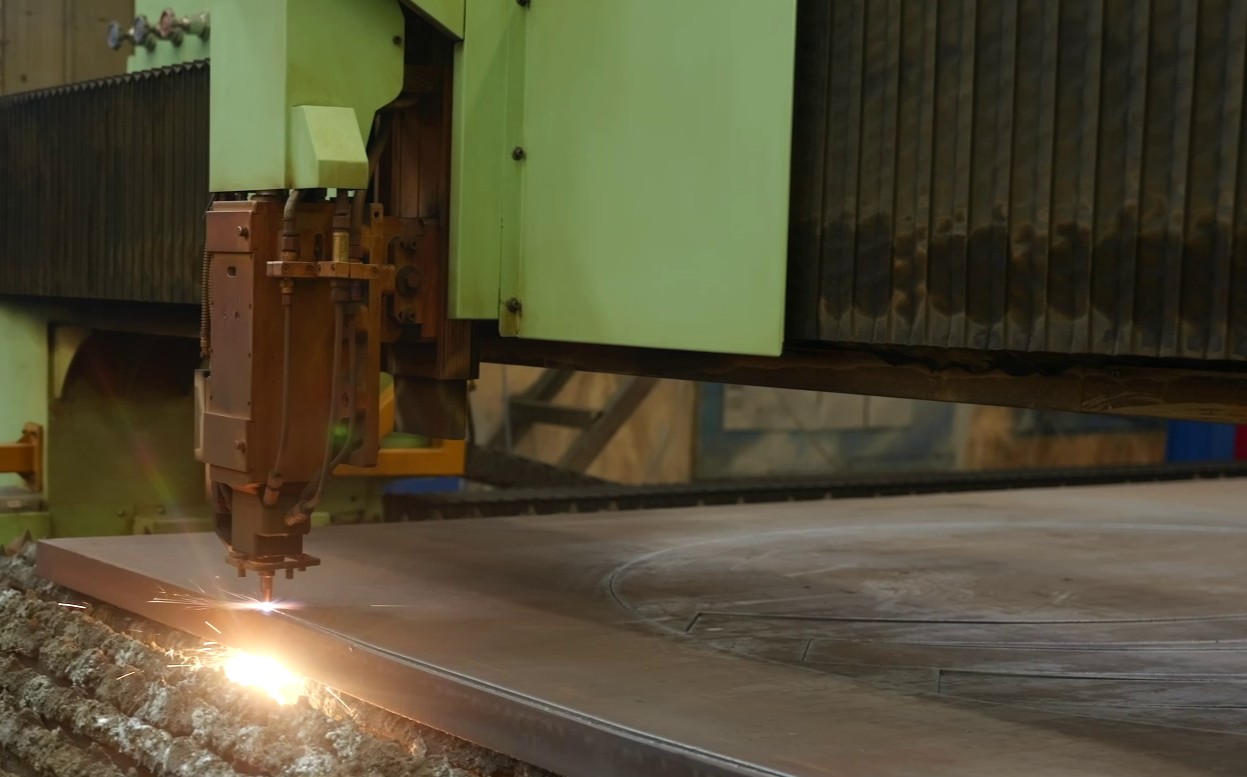
Rings, Flanges & Discs
OD / ID, holes, machining allowance, flatness and material identity can all change the route.
Review this part family →
Base Plates & Frames
Large or irregular plate components where datums, hole position, flatness and downstream fit matter.
Review this part family →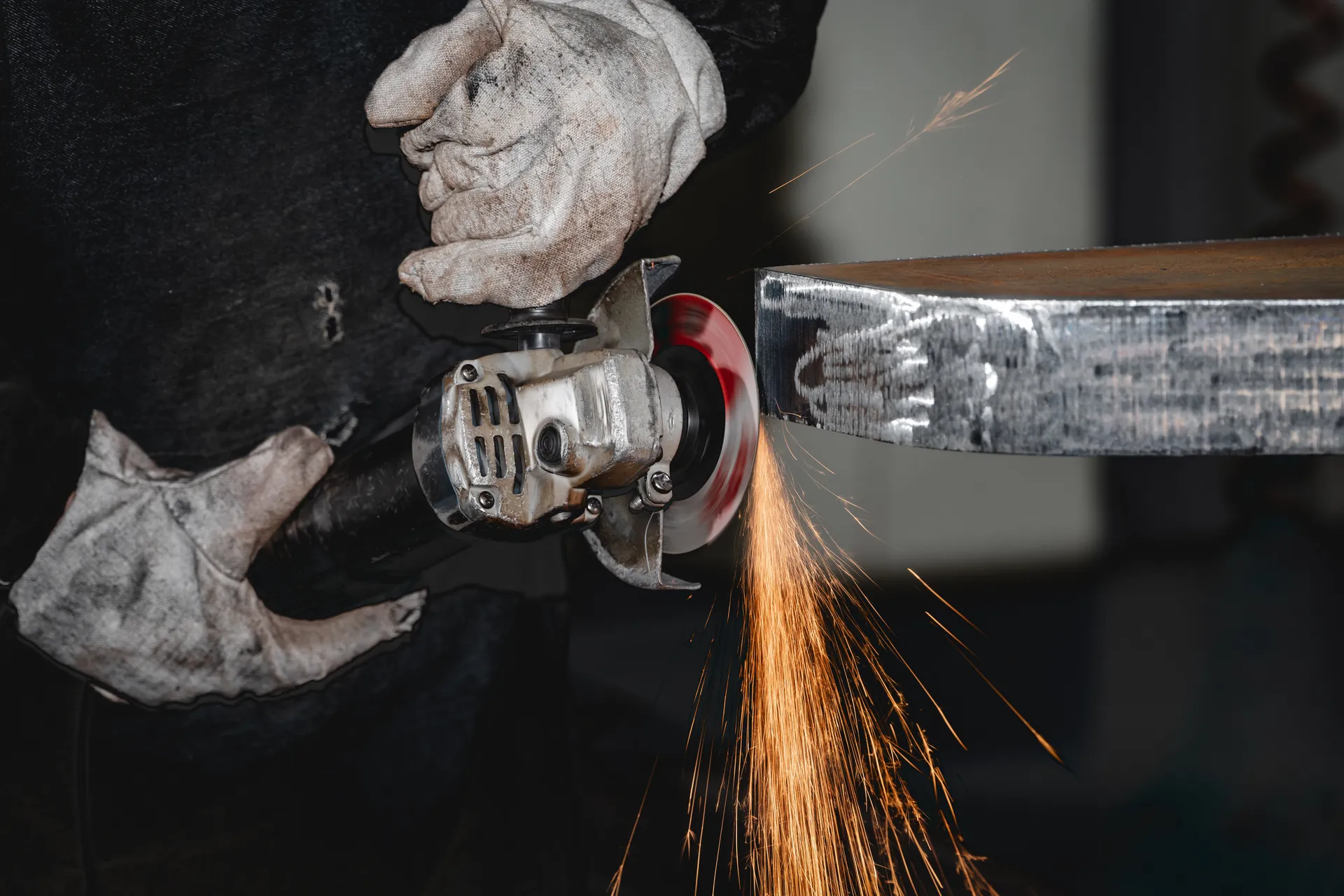
Batch-Cut Plate Parts
Repeated profiles and mixed batches where nesting, traceability, inspection and packing become procurement variables.
Review batch work →Choose the route around the finished requirement.
Thickness matters, but geometry, holes, edge condition, tolerance and the next operation often decide the real process path.
Laser + Flame Cutting
Method selection starts with thickness, geometry, tolerance and downstream operations, then moves to the relevant laser or flame process.
Explore → 02Beveling
Groove type, side, angle, root face and inspection belong to the part requirement.
Explore → 03Drilling & Machining
Hole, bore, face and datum requirements are separated from the thermal-cut profile.
Explore → 04Surface Finishing
Deburring, grinding, blasting and surface preparation are stated as delivered-state requirements.
Explore →Proof should answer a buyer question.
Selected production videos and project records help explain how work is performed. Specifications and acceptance criteria are confirmed in quotation and order records.
See visible cutting, machining, finishing and handling operations.
Drawings, work orders, material records and measurements support project-specific facts.
Critical dimensions and acceptance requirements are tied to the order scope.
Preparation methods can be shown without implying carrier or destination performance.
Multi-torch flame cutting
A production example for discussing batch strategy, material, thickness and torch configuration.
Watch video ↗ Long partsLong-strip deformation control
A process example for discussing cutting sequence and straightness without implying zero deformation.
Watch video ↗ MachiningPlate boring / machining
A process example for discussing post-cut machining, setup and inspection requirements.
Watch video ↗Material knowledge connected to a buying decision.
Existing ranking assets stay at their proven URLs, but each material path now leads into process fit, part geometry and RFQ inputs.
Carbon & Structural Steel
Q355-family, S355-family, ASTM and JIS comparisons without assuming automatic interchangeability.
Review material path → High strengthHigh-Strength Steel
S460 / S690 / A514 / Q690-family requirements reviewed by exact standard, subgrade and fabrication need.
Review material path → Abrasion resistantWear Plate
Rebuilt around exact grade identity and wear-part procurement rather than blanket “same as” claims.
Review material path → Search assetSteel Grade Equivalents
Cross-standard reference with clear limits around equivalence and substitution.
Compare grade families →A clear order scope is built before production starts.
Critical dimensions, documentation, process responsibility, packing and delivery expectations should be explicit before the order is released.
Requirement review
Material, thickness, quantity, geometry, destination and application.
Process review
Cutting and follow-on operations assessed as one delivered-part scope.
Acceptance definition
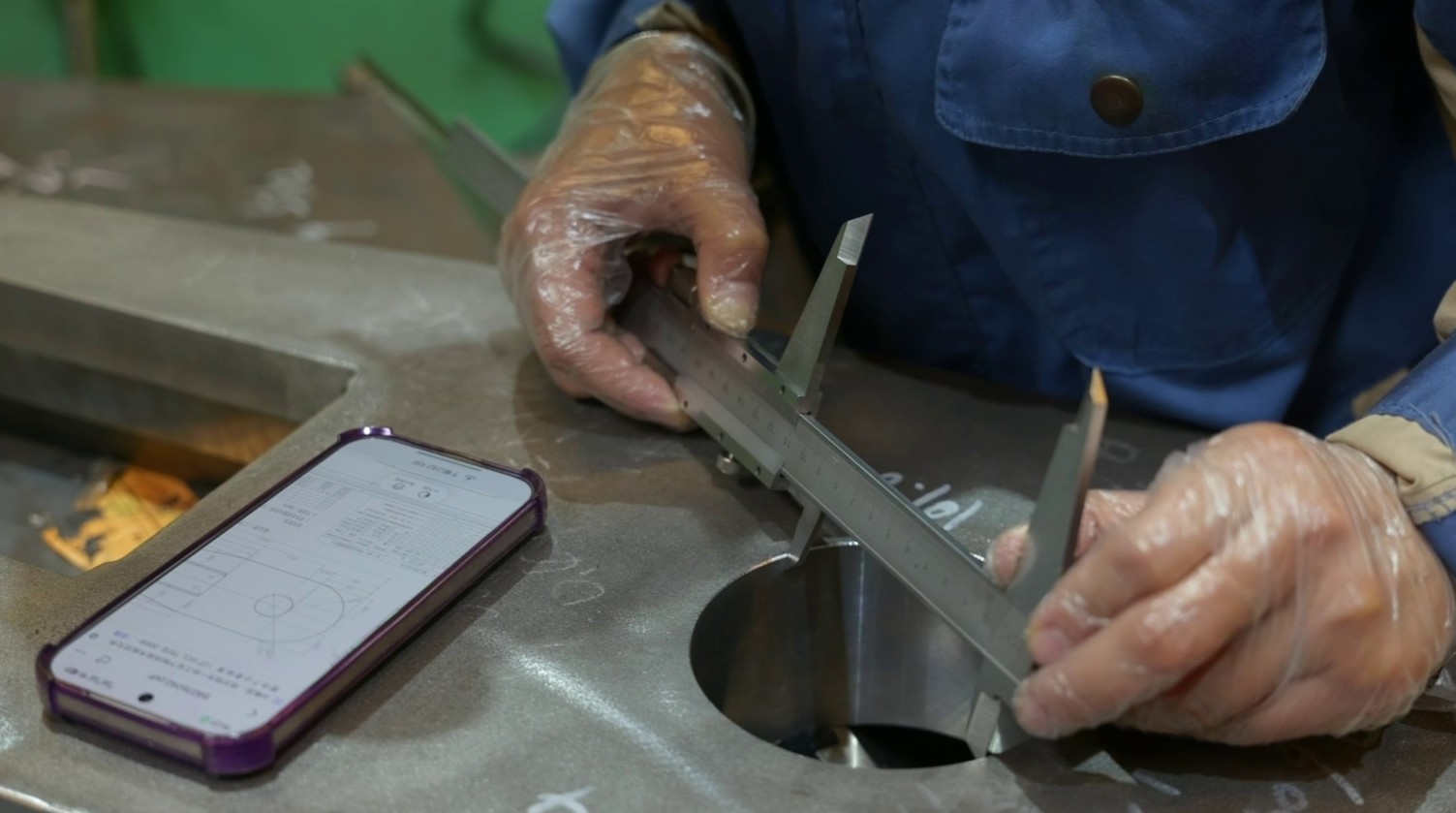
Critical dimensions, surface condition, documents and inspection expectations.
Production evidence
Relevant evidence can explain the route without becoming a blanket guarantee.
Packing + shipment prep
Labels, handling, protection and destination constraints confirmed where in scope.
Order readiness
The final scope is reviewed by a person before production is released.

Make the sourcing decision easier to verify.
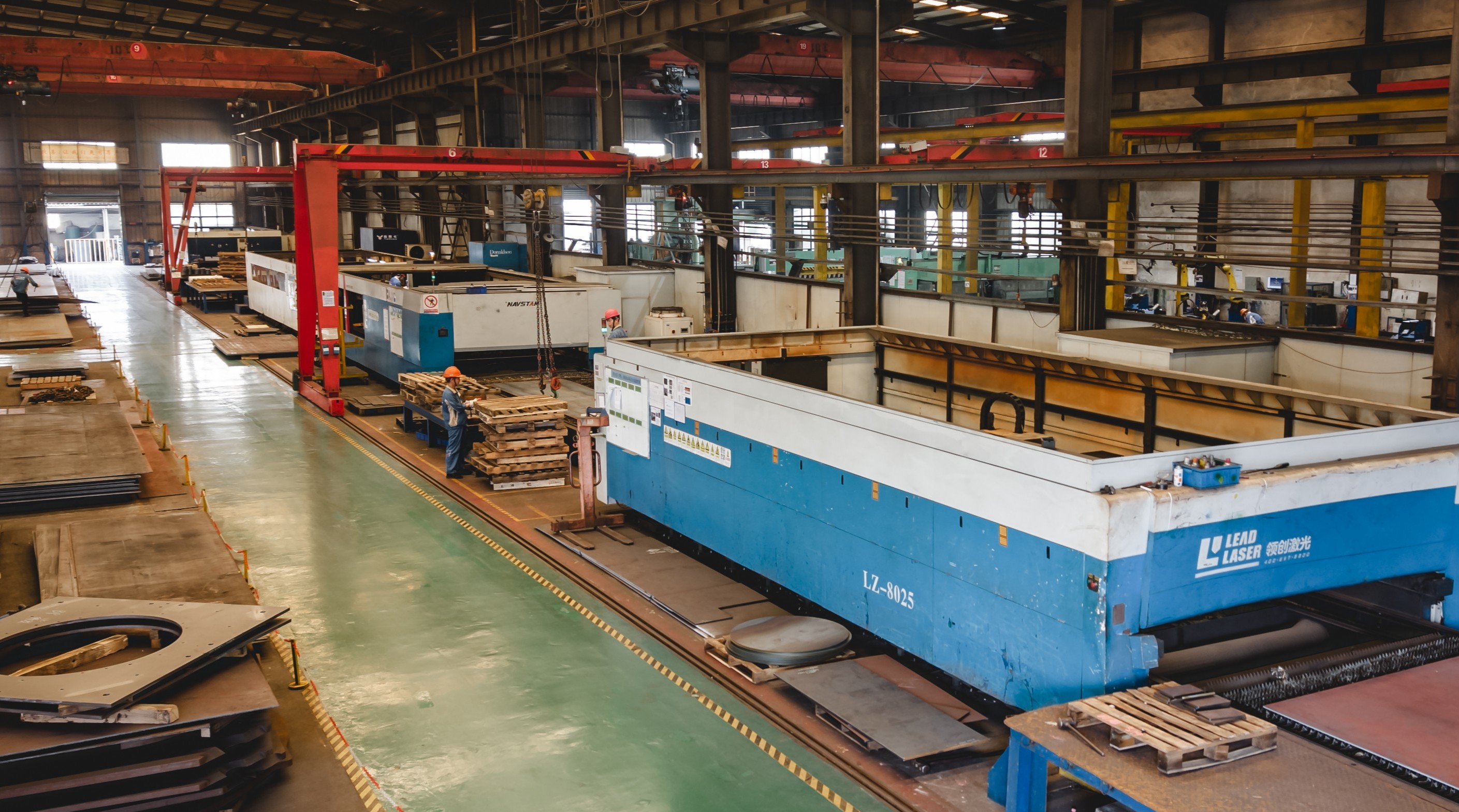
The site exposes what can be checked instead of replacing engineering review with marketing shorthand.
Quotes are reviewed manually against the actual requirement rather than generated from a generic calculator.
Owned, coordinated and supporting processes are described separately where responsibility matters.
Visible work, project records and public capability statements are treated as different evidence levels.
Material and process guides support sourcing decisions without replacing engineering review.
Tell us the part you need.
We will work backward to the process.
Start with material, thickness, quantity, approximate dimensions, destination and the features that matter. Drawings can follow through the existing controlled communication path.